


Articles
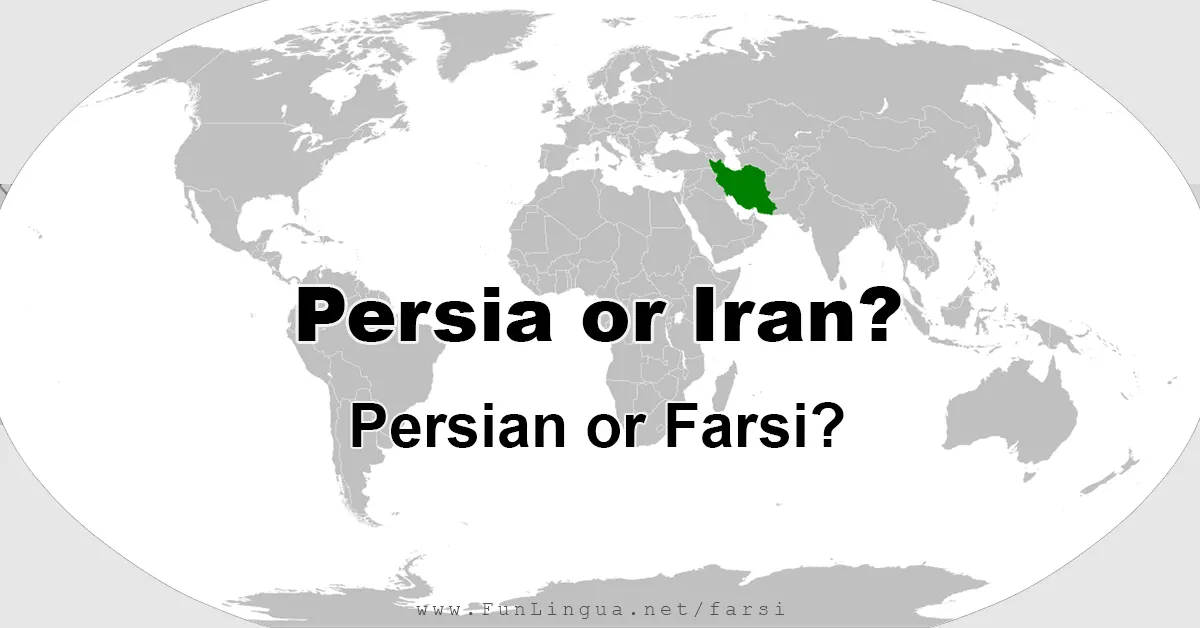
Persia or Iran, Persian or Farsi?
Sep
A New Name for an Ancient Land:
The Renaming of Persia to Iran and
its language from Persian to Farsi
Introduction
In 1935, Reza Shah Pahlavi, the first king of Iran’s Pahlavi dynasty, made a significant decision that would shape the country’s identity for generations to come. He renamed Persia to Iran and its language Persian to Farsi. This change was motivated by a desire to unify the nation and challenge the perception of Iran as a subordinate state to Western powers.
The Reasons for the Renaming
Reza Shah’s decision to rename Persia and Persian was driven by several factors. First, he sought to foster a sense of national unity among Iran’s diverse population. By adopting a new name that reflected the country’s ancient heritage, he hoped to create a stronger sense of shared identity. Second, Reza Shah wanted to challenge the perception of Iran as a subordinate state to Western powers. The name “Persia” had been used for centuries and was often associated with the former Persian Empire, which had once been a formidable force in the region. Reza Shah felt that this historical association was outdated and no longer reflected Iran’s contemporary reality.
The Renaming Process
The renaming of Persia and its language Persian was a carefully planned process. Reza Shah consulted with historians, linguists, and political advisors to determine the most appropriate new name. Ultimately, he chose “Iran,” which is believed to be derived from the ancient Iranian plateau. This name was seen as more inclusive and representative of the Iranian people and their cultural heritage.
The Impact of the Renaming Persia to Iran and Persian to Farsi
The official announcement of the name change was met with mixed reactions both domestically and internationally. Some Iranians welcomed the change as a symbol of progress and national pride, while others were more skeptical and resistant to abandoning the traditional name. Despite the initial controversy, the renaming of Persia to Iran and Persian to Farsi was ultimately successful. Over time, the new name became widely accepted and used both within Iran and internationally.
Conclusion
The renaming of Persia to Iran and Persian to Farsi was a significant event in the history of Iran. Reza Shah’s decision was motivated by a desire to unify the nation and challenge the perception of Iran as a subordinate state. The new name has since become an integral part of Iran’s national identity and is recognized worldwide.