


May
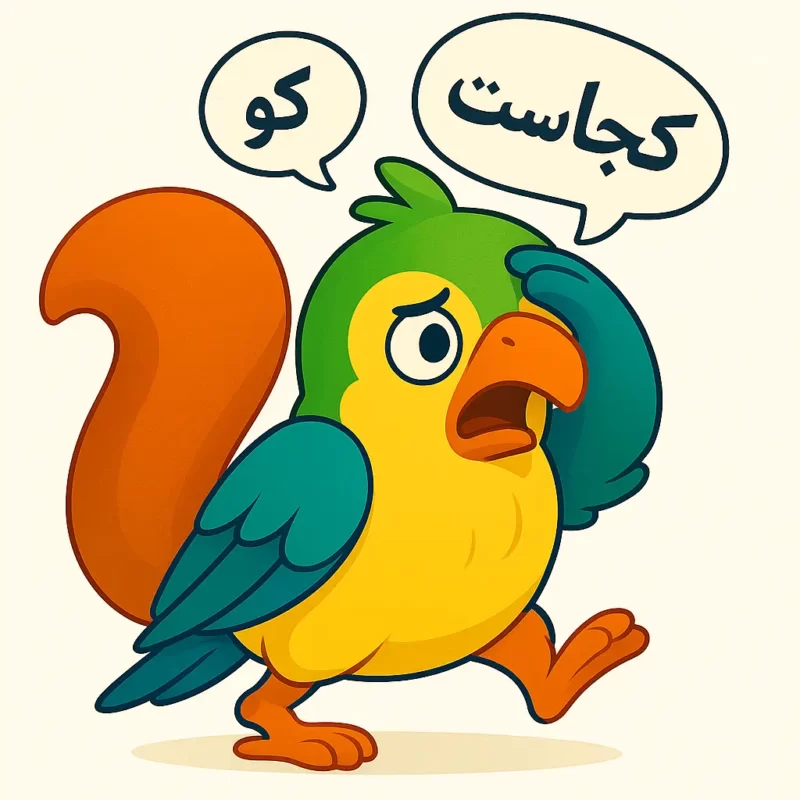
Understanding the Difference Between «کو» (Koo) and «کجاست» (Kojâst) in Persian
Persian is a language of subtle tones and poetic depth. Even seemingly simple words like “where is…?” can take different forms depending on tone, emotion, and familiarity. Two key ways to ask this question in Persian are «کجاست» (Kojâst) and «کو» (Koo). While both roughly translate as “Where is…?” in English, their usage reveals important differences in tone, formality, and emotional intent.
1. Structure and Pronunciation
- کجاست (Kojâst): A full grammatical construction combining «کجا» (where) + «است» (is). Pronounced /kodʒɒːst/ with emphasis on the second syllable (jâst).
- کو (Koo): A shortened, colloquial form where the verb is dropped. Pronounced /kuː/, with a long “oo” sound like in “moon.” It should not be shortened to «کُ» (ko), which is a completely different word.
Examples:
- کتاب کجاست؟ — “Ketâb kojâst?” (Where is the book?)
- کتاب کو؟ — “Ketâb koo?” (Where’s the book?)
2. Formality and Tone
- کجاست (Kojâst): Neutral, polite, and universally acceptable. Used in both spoken and written Persian in any setting.
- کو (Koo): Informal, expressive, and often emotionally charged — perfect for casual, playful, or frustrated speech.
Examples:
- سرویس بهداشتی کجاست؟ — “Where is the restroom?” (Neutral tone)
- کلید کو؟ — “Where’s the key?” (Urgent or casual)
3. Contextual Usage: Familiarity, Visibility, and Emotion
کو is used when the object is expected to be near or present but is suddenly missing. It adds emotion — urgency, affection, or frustration.
کجاست works in any context, especially when the speaker is unfamiliar with the subject or needs to ask neutrally.
Compare:
- مادرت کو؟ — “Where’s your mom?” (She was supposed to be here!)
- مادرت کجاست؟ — “Where is your mother?” (General inquiry)
- پاریس کجاست؟ — “Where is Paris?” (Correct and neutral)
- ❌ پاریس کو؟ — Not natural unless emotionally charged or poetic
4. Regional and Cultural Nuances
- In **Iranian Persian**, کجاست is standard in formal and informal speech. کو is highly colloquial and used in everyday conversation or regional dialects like Tehrani (e.g., کو؟ چی شده؟).
- In **Afghan and Tajik Persian**, کو may appear more frequently in informal dialogue.
5. Literary and Poetic Usage
کو thrives in Persian poetry for its brevity and emotional intensity. It often conveys longing or lamentation.
Example: آن کو که ببرد قرار از دل ما؟ — “Where is the one who stole peace from our hearts?” (Rumi)
In modern Persian, کجاست is dominant in media and education, while کو lives on in casual speech, memes, and humor.
6. Cultural Insight: The Expressive Power of «کو»
Persian culture enjoys playful, abbreviated forms. کو fits perfectly into this trend — direct, dramatic, and often ironic.
Real-life Uses:
- بچهها کو؟ — “Where are the kids?” (They were just here!)
- پس تاکسی کو؟ — “Where the heck is the taxi?” (Frustrated tone)
- شکلات کو؟ — “Where’s the chocolate?” (Teasing a child)
- عشق کو؟ — “Where is love?” (Poetic or philosophical)
- گوشی کوشی؟ — “Where are you, my phone?” (Playful rhyme)
7. Summary Table
| Aspect | کجاست (Kojâst) | کو (Koo) |
|---|---|---|
| Pronunciation | /kodʒɒːst/ | /kuː/ |
| Structure | Complete phrase (کجا + است) | Abbreviated (verb omitted) |
| Formality | Neutral, universal | Informal, emotional |
| Context | Any situation (familiar or not) | Familiar or nearby subjects |
| Tone | Polite, calm | Urgent, playful, poetic |
8. Final Tips for Learners
- Default to کجاست in formal or unfamiliar situations.
- Use کو when:
- Looking for something misplaced or recently absent
- Adding frustration or sarcasm
- Creating playful or poetic tones
- Always pronounce کو as koo, not ko.
By understanding these nuances, you’ll speak Persian more naturally and emotionally — a key to sounding authentic and connecting with native speakers on a deeper level. 🌟🗣️